
Plusdistortion
Key Features
- Accurate emulation of the MXR Distortion+ circuit including germanium diode clipping and op-amp gain stages
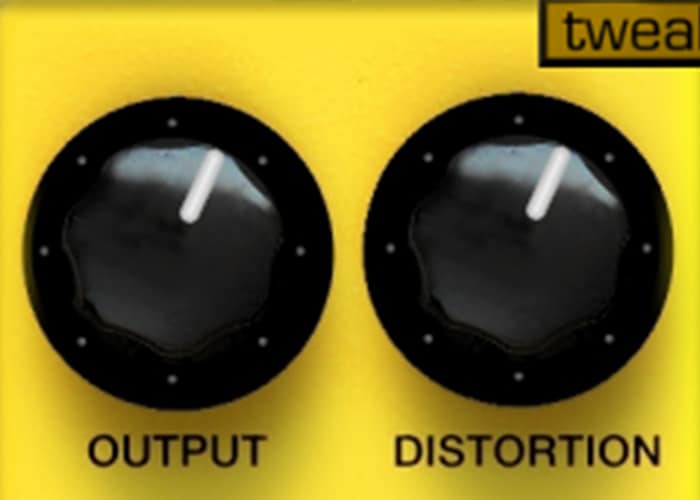
- Tweak menu with independent Op Amp Clipping and Diode Clipping controls for deep tonal sculpting beyond stock pedal settings
- Switchable Input Type between Pickup and Buffered modes to emulate real guitar-to-pedal impedance interaction
- High Cut and Low Cut filters for taming harshness and reducing muddiness in the output signal
- Stereo processing mode for use on full mixes, buses, and stereo synth patches
- 2x oversampling to reduce aliasing artifacts at higher gain settings
- Adjustable input level control to compensate for different source levels and pickup types
Description
Plusdistortion by Distorque Audio is a component-level emulation of the legendary MXR Distortion+ guitar pedal. It faithfully recreates the germanium diode clipping and op-amp gain stages that gave the original hardware its distinctive warm, compressed overdrive character.
The plugin covers a surprisingly wide tonal range, from subtle grit and light breakup to thick fuzz and aggressive crunch. A dedicated Tweak menu exposes parameters normally locked inside the hardware, including independent op-amp and diode clipping controls that let you reshape the distortion curve from the ground up.
Input Type switching between Pickup and Buffered modes emulates the interaction between a guitar pickup and the pedal's input capacitor. Pickup mode adds a resonant low-pass filter that captures the impedance-dependent tone coloring of a real pedalboard, while Buffered mode provides a flatter, more neutral response for line-level sources and synths.
Users particularly praise the plugin for lead sounds, pluck-style tones, and acid basslines, where its mid-frequency emphasis and harmonic compression help cut through dense mixes. The 2x oversampling keeps aliasing artifacts in check at higher gain settings.
Built with the VST SDK 2.4 and VSTGUI 4.0, Plusdistortion runs on Windows in both 32-bit and 64-bit VST formats. Some users have reported elevated CPU usage in certain DAW configurations, so monitoring resource consumption is recommended when running multiple instances.
Frequently Asked Questions
What is the difference between Pickup and Buffered input modes in Plusdistortion?
Pickup mode adds a resonant low-pass filter that emulates how a guitar pickup interacts with the pedal's 1nF input capacitor, producing a more colored and authentic pedalboard tone. Buffered mode removes this filter for a flatter frequency response, which works better with line-level signals and synthesizers.
Can Plusdistortion be used on synths and electronic instruments, not just guitar?
Yes. While modeled on a guitar pedal, the plugin works well on synths, bass, and electronic sources. Users on production forums highlight it for acid basslines and pluck-style lead sounds. Set the Input Type to Buffered for the best results with non-guitar signals.
What do the Op Amp Clipping and Diode Clipping controls actually do?
Op Amp Clipping adjusts the amount of distortion generated by the emulated operational amplifier stage, which produces softer, more compressed clipping. Diode Clipping controls the hardness of the germanium diode clipping stage, which creates a sharper, more aggressive distortion. Combining both lets you blend soft and hard clipping characteristics.
Does Plusdistortion have high CPU usage?
Some users have reported elevated CPU consumption in certain DAW configurations, particularly when the plugin is inactive but still loaded. If you experience this, try disabling the plugin on tracks where it is not actively in use rather than leaving it bypassed.


