
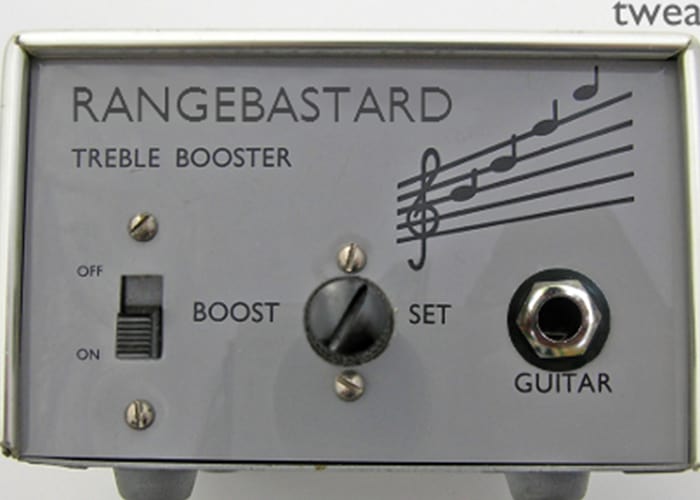
Rangebastard
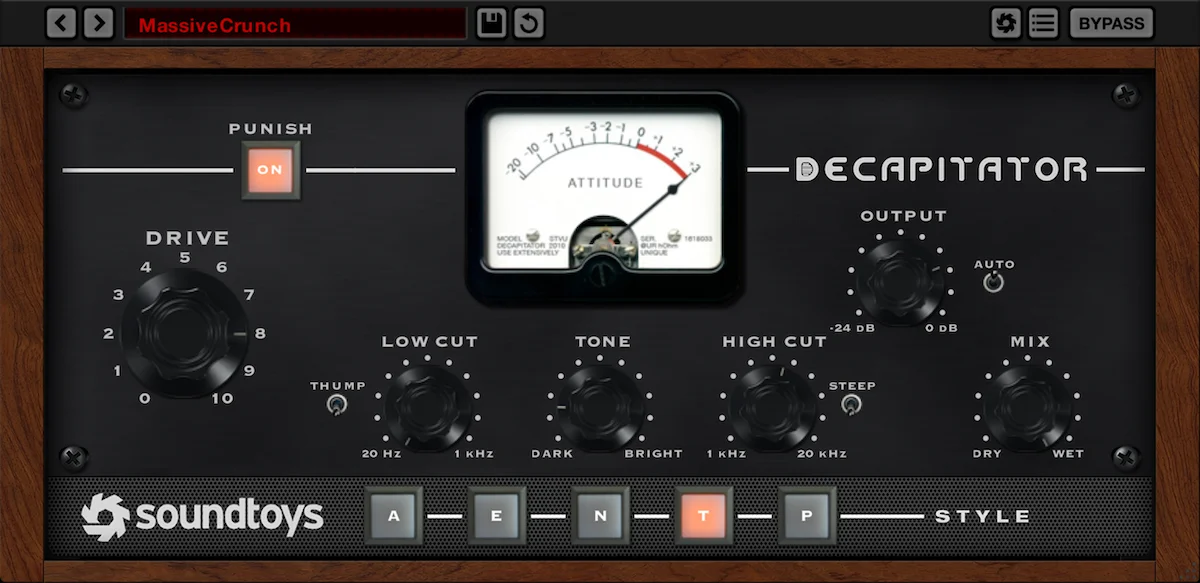

Key Features
- Full circuit emulation of the Dallas Rangemaster germanium treble booster, covering input filtering, transistor behavior, and tube amp interaction
- Switchable germanium transistor models (2SB175 and AC128) with distinct gain and midrange voicing based on real hardware measurements
- Adjustable Input Filtering control to sweep from pure treble boost to full-range boost or mid/bass emphasis
- Grid Current control that emulates tube grid limiting clipping for authentic amp-driven distortion
- Pickup interaction modeling with selectable single-coil, humbucker, active, and bypass modes for accurate impedance response
- Stereo and Mono operation with always-on 2x oversampling for alias-free harmonic generation
- Input Level and Treble controls for precise gain staging and high-frequency taming across different source signals
Description
Rangebastard by Distorque Audio is a detailed circuit emulation of the legendary Dallas Rangemaster, the germanium transistor treble booster that defined the lead guitar sound of the 1960s and beyond. Every stage of the original hardware is modeled, from the input filtering and guitar pickup interaction to the germanium transistor and front-end tube amp clipping.
The Rangemaster was famously used by Eric Clapton and Brian May to push overdriven tube amplifiers into screaming upper-mid lead tones. Rangebastard captures that classic behavior while adding a full set of tweaking controls that go well beyond the original single-knob design.
The main panel offers the traditional On/Off and Boost controls, while the Tweak menu opens up Input Level for gain staging across different pickups, Input Filtering to sweep from full-range boost to pure treble boost, and a Treble rolloff to tame harsh highs. A Transistor selector lets you switch between two measured germanium transistor models (2SB175 and AC128), each with its own gain and midrange character.
Grid Current adds an emulation of tube grid limiting clipping, recreating the distortion caused by a Rangemaster overdriving a valve amplifier's input stage. The Pickup selector models the impedance interaction between the pedal and single-coil, humbucker, or active pickups, ensuring accurate tonal response for your signal chain.
Rangebastard runs in both stereo and mono modes with 2x oversampling always active for clean, alias-free processing. It is available as a Windows VST plugin in both 32-bit and 64-bit versions.
Video Preview

Frequently Asked Questions
Can Rangebastard be used as a full-range booster instead of just a treble booster?
Yes. Turning the Input Filtering control down removes the treble-boost frequency shaping and lets the full signal through. Combined with the Treble rolloff, you can also create mid or bass boost configurations that go well beyond the original Rangemaster design.
What is the Grid Current control and when should I use it?
Grid Current emulates the clipping that happens when a treble booster overdrives the input stage of a tube amplifier. Turning it above zero adds increasingly aggressive tube-style distortion within the plugin itself, which is useful when you don't have a separate amp simulation in your chain.
Does Rangebastard work well on sources other than guitar?
Users report good results on synths and other instruments, particularly for adding upper-mid character and twang. The Pickup selector can be set to None to bypass the guitar pickup modeling, making it better suited for non-guitar sources running through a buffer or active signal path.
What is the difference between the two transistor models?
The 2SB175 transistor has higher gain and a slightly more midrange-focused character, while the AC128 is lower gain with a broader tonal response. Both are based on measurements taken from real germanium transistors, so the choice depends on how aggressive and focused you want the boost to sound.


