
TAL-Vocoder
Key Features
- 11-band vocoder engine with analog-modeled envelope followers and SFFT algorithms optimized for voice processing
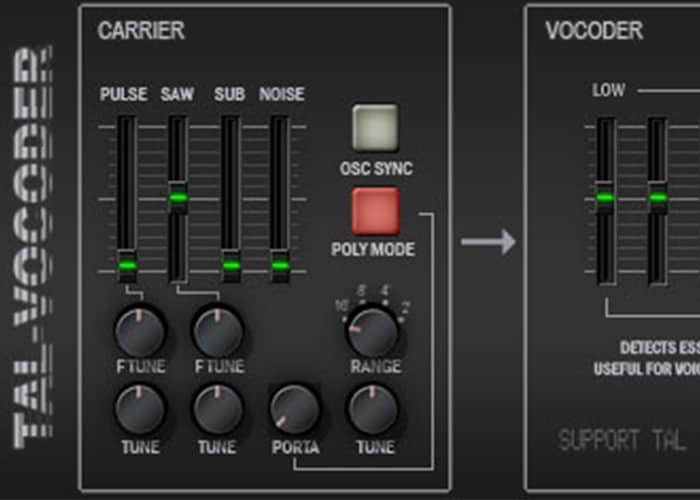
- Built-in carrier synth with saw, pulse, sub-oscillator, and noise waveforms in mono and poly modes with portamento
- Flexible sidechain routing for using external synths or audio signals as the carrier source
- Consonant detection algorithms that improve vocal intelligibility over typical software vocoders
- Adjustable harmonic control that boosts carrier signal overtones for brighter vocoder tones
- Built-in stereo chorus and envelope follower speed control (smudge) for shaping vocoder response
- Fully scalable GUI with built-in preset browser and real-time carrier/modulator metering (v3.0)
Description
TAL-Vocoder is a vintage-style vocoder plugin from Swiss developer Togu Audio Line (TAL) that recreates the thick, robotic tones of early 1980s hardware vocoders. Its 11-band engine blends analog-modeled envelope followers with digital SFFT algorithms, producing that distinctive lo-fi vocal synthesis character that defined Kraftwerk and early electronic pop.
The built-in carrier synth features a VCO with saw, pulse, sub-oscillator, and noise waveforms in both mono and poly modes with portamento. Flexible sidechain routing also lets you feed any external synth or audio signal as the carrier, opening up creative possibilities beyond the internal oscillator.
Consonant detection algorithms improve vocal intelligibility, a common weak point in software vocoders. A built-in stereo chorus adds width and movement, while the harmonic control boosts overtones in the carrier signal for brighter, more cutting vocoder tones.
Version 3.0 overhauled the interface with a fully scalable GUI and a built-in preset browser carried over from TAL's paid plugins. New carrier and modulator volume controls with real-time metering give precise level management, and the core audio engine received quality improvements.
Reviewers consistently describe the sound as crunchy but lush, comparing it favorably to hardware vocoders that cost hundreds of dollars. Setup requires both audio and MIDI routing, which takes a moment to configure in most DAWs, but tutorials are widely available.
Video Preview

Frequently Asked Questions
Which vocoder did Daft Punk use?
Daft Punk famously used a combination of the Digitech Talker and a custom vocoder setup, along with the Roland VP-330. TAL-Vocoder emulates a similar era of 1980s vocoder hardware and can closely approximate that iconic robotic vocal sound with its 11-band engine and analog-modeled components.
How do you set up TAL-Vocoder in a DAW?
TAL-Vocoder requires both audio and MIDI input. Insert it on an audio channel containing your vocal (the modulator), then route MIDI to its built-in carrier synth, or use sidechain routing to feed an external synth as the carrier. The left channel carries the carrier signal while the right channel receives the modulator.
Can TAL-Vocoder use external carrier signals?
Yes. While TAL-Vocoder includes a built-in VCO synth for carrier generation, version 3.0 expanded its sidechain routing capabilities so you can feed any external synthesizer, guitar, or audio signal as the carrier. This makes it significantly more versatile than vocoders limited to internal oscillators.
What is the best vocoder plugin?
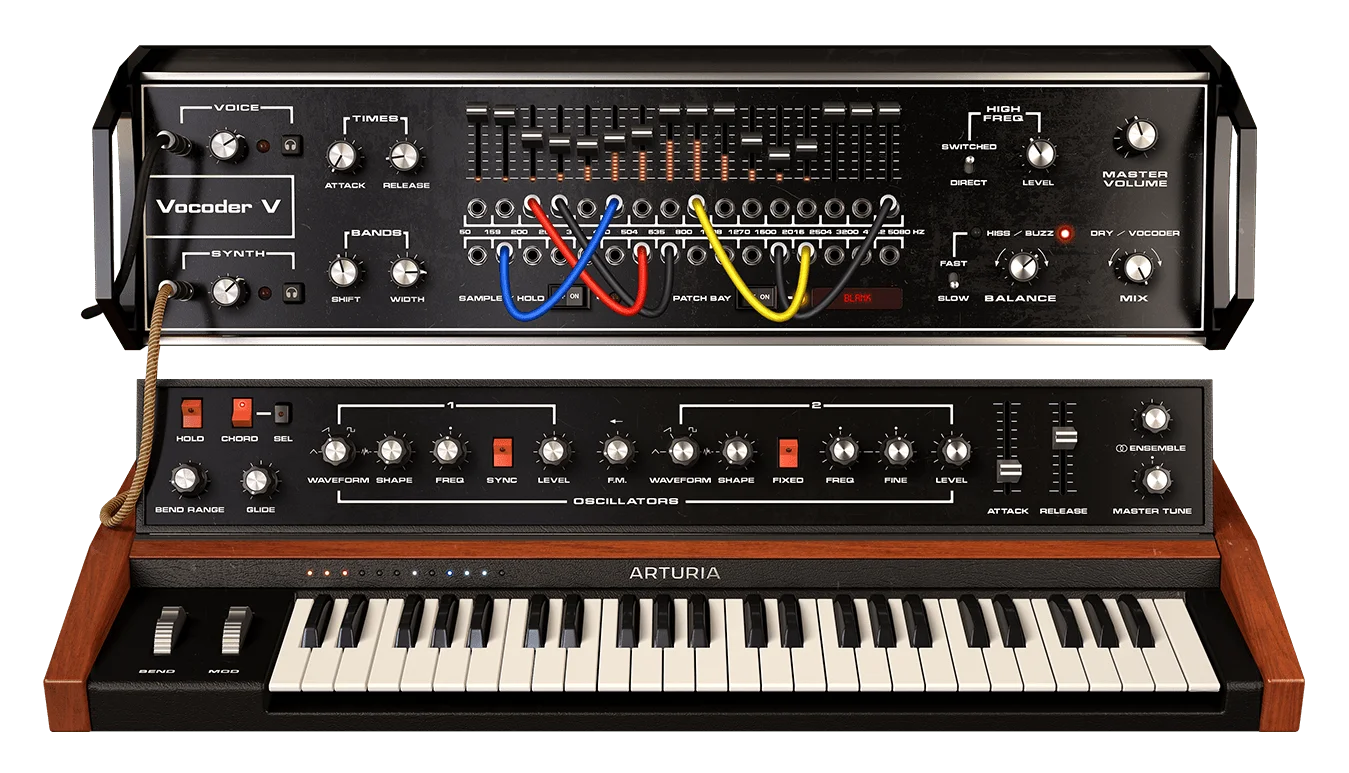
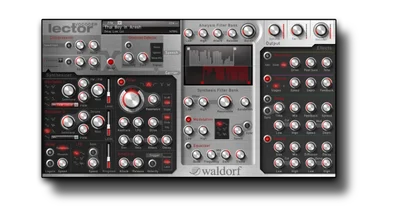
TAL-Vocoder is widely considered one of the best vocoder plugins available, particularly for vintage 80s-style effects. Paid alternatives like the Arturia Vocoder V and Waldorf Lector offer more bands and features, but TAL-Vocoder's 11-band engine with consonant detection delivers impressive intelligibility and that classic analog vocoder character.


