
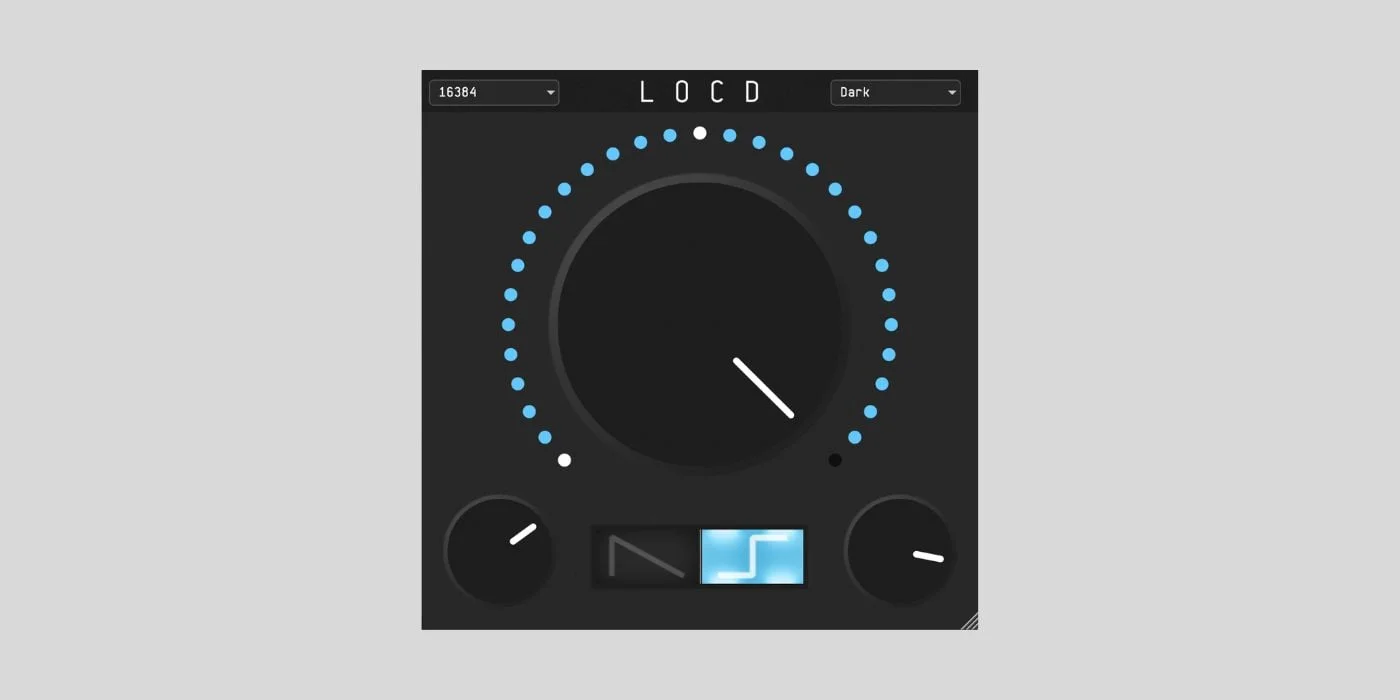
LOCD
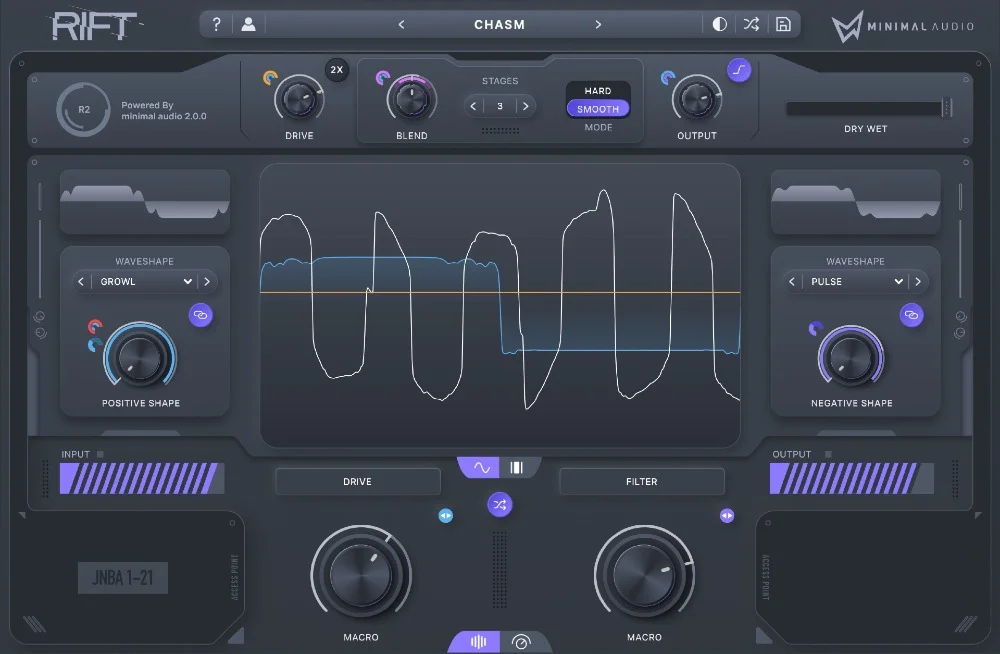
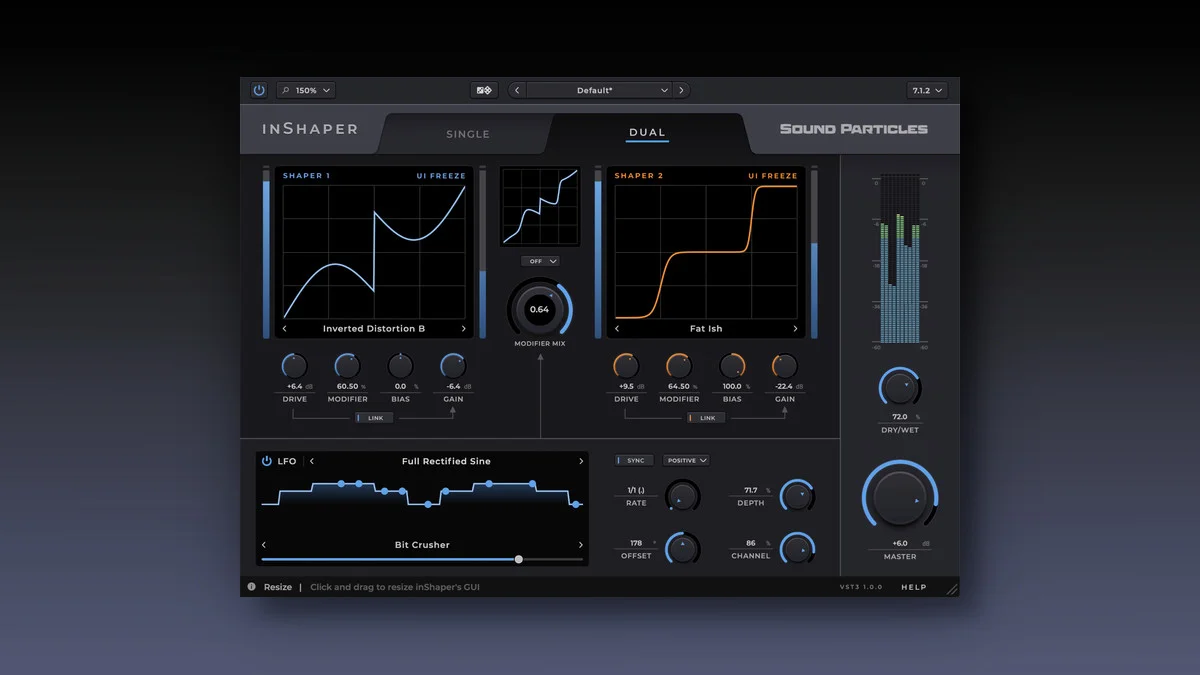
Key Features
- Phase-locks incoming audio to a saw or square reference derived from the source signal's fundamental frequency
- Creates hard digital crunch, unstable movement, smeared harmonics, and spectral-style distortion textures
- Central intensity control keeps the core effect fast to dial in while leaving room for more extreme settings
- Waveform selection, block size, side tracking, and pitch offset controls give the distortion a more experimental range than a standard clipper
- Useful on sub bass, cinematic sound-design layers, distorted leads, and parallel texture chains
- Current CRQL builds cover Windows, macOS, and Linux with VST3, CLAP, and AU support depending on platform
Description
LOCD is a phase-locked distortion plugin from CRQL, the developer identity used by Ewan Bristow, that turns incoming audio into a tightly tracked saw or square-wave-driven source of crunch. Instead of behaving like a normal saturator or bitcrusher, it follows the signal's fundamental frequency and forces the phase information toward that reference.
The result is a digital effect that can move from aggressive bass shredding to smeared, warbly, almost spectral texture work. BPB's hands-on notes point out that it works especially well on deeper material, but the official demos also show it adding subtle blur to gentler sounds.
The control set is compact but unusual: intensity, saw or square waveform selection, block size, side tracking, and pitch offset. That makes LOCD easy to experiment with even if you do not care about the math behind phase locking.
CRQL's current download page lists version 1.0.5 as the latest build and keeps the product available as a free download with optional donations. Windows gets VST3 and CLAP builds, macOS gets VST3, CLAP, and AU, and Linux gets VST3, CLAP, and a binary build.
Video Preview


Frequently Asked Questions
What does phase-locked distortion mean in LOCD?
CRQL describes LOCD as tracking the fundamental frequency of the input and then locking phase information to a saw or square wave. In practice, that makes the distortion feel more pitch-aware and unstable than a conventional clipper.
What kind of sounds does LOCD work best on?
BPB found it especially effective on deeper sounds, where it can turn clean subs into heavy bass textures. The same phase-locked behavior can also create washed-out smearing on softer sources such as piano or mellow melodic material.
Does LOCD have presets?
BPB did not find a built-in preset system during testing. Most DAWs can still save plugin states, so users can store their own settings at the host level.
Which formats are available?
CRQL lists Windows builds as VST3 and CLAP, macOS builds as VST3, CLAP, and AU, and Linux builds as VST3, CLAP, and binary. The latest archive entry shown on the official site is version 1.0.5.


