
Philodendron
Key Features
- Ring-buffer engine exposes moving write, reference, and read-head positions for hands-on time manipulation
- Up to four simultaneous read heads can repeat the current buffer region for layered stutters and phase-like motion
- Feedback can freeze the buffer, letting you scrub and reshape earlier audio instead of only processing the current input
- Read Offset, Buffer Size, Read Speed, Ratio, Number of Heads, Feedback, and Dry/Wet cover the core sound-shaping controls
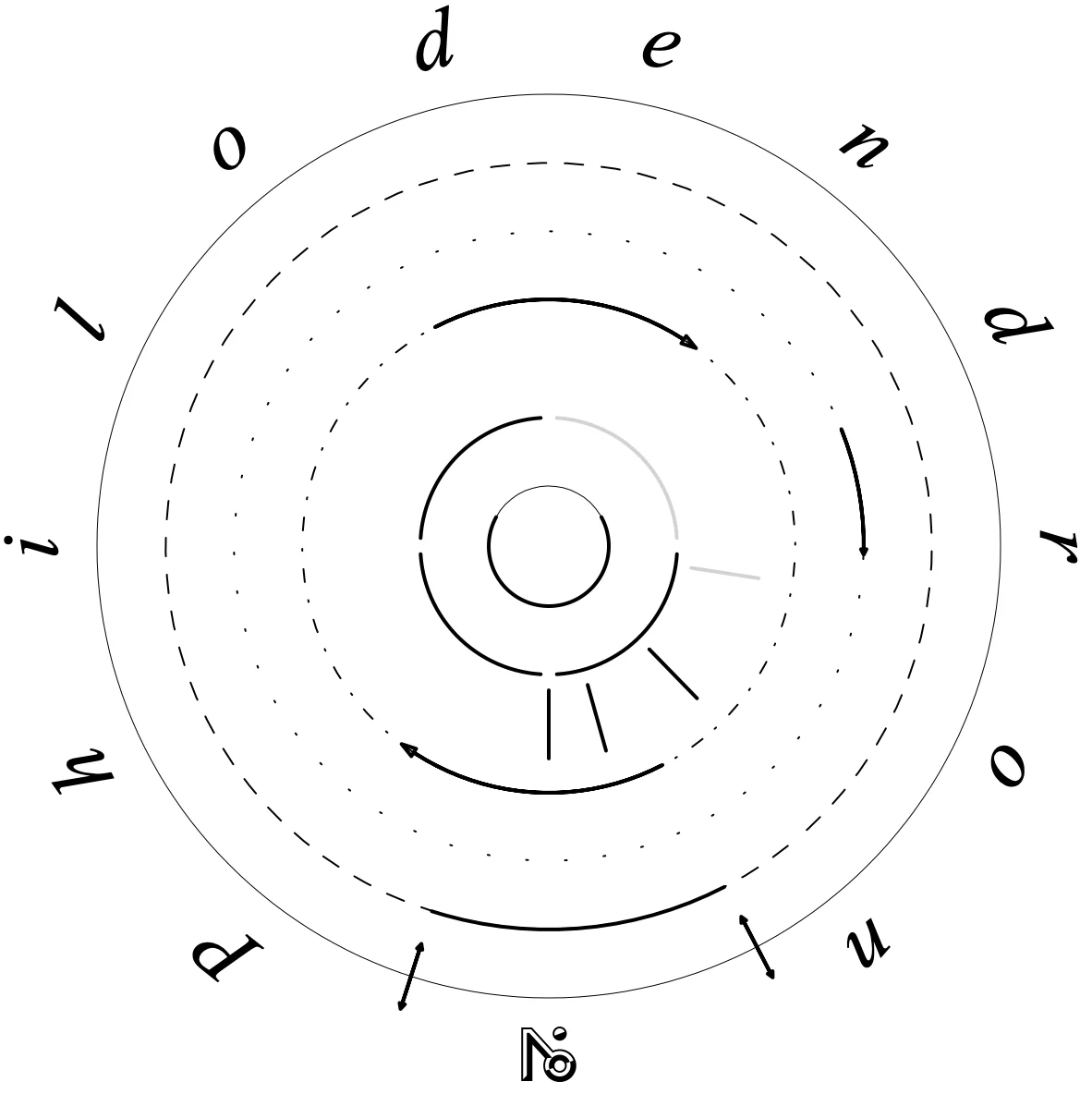
- Concentric circular interface mirrors the plugin's looped buffer concept and makes the read-head relationships visible
- Direct Windows and macOS installers are available from the official LNDF product page, with GPL-3.0 source code on GitHub
Description
Philodendron is an experimental ring-buffer audio plugin from LNDF, built for turning incoming audio into repeats, freezes, speed shifts, and unstable feedback textures. Instead of behaving like a conventional delay, it exposes the moving read and write points inside the buffer so the sound can loop, smear, fracture, or collapse into something less recognizable.
The official page describes the buffer's Present as the space between the Write and Reference points. Up to four read heads can scan that region while it rewrites itself, and maxing the Feedback control freezes the buffer so you can explore older audio as Past material.
Philodendron's circular interface is part of the instrument rather than just decoration. Read Offset, Buffer Size, Read Speed, Feedback, head-speed Ratio, Number of Heads, and Dry/Wet are arranged as concentric controls that make the plugin feel closer to circuit-bent time manipulation than a menu-driven studio effect.
BPB's listening notes frame the result as deliberately strange: a piano demo moves from subtle modulation into heavily transformed, unrecognizable sound design. The same source also flags LNDF's volume warning, so the plugin is best used with a limiter or compressor downstream when exploring high feedback settings.
Frequently Asked Questions
Is Philodendron a normal delay plugin?
No. It uses delay-like buffer reading, but the workflow is closer to raw buffer manipulation, stutter, freeze, and circuit-bent time processing than a tempo-synced echo effect.
What does freezing the buffer do?
The manual explains that maxing Feedback freezes the buffer. That lets you explore older captured audio as Past material instead of continually replacing it with the incoming signal.
Why does LNDF warn about using a limiter?
The official page warns that Philodendron can get loud, especially when experimenting with Feedback. Place a limiter or compressor after it before pushing extreme settings.
Is the source code available?
Yes. LNDF links the Philodendron source code on GitHub, and the repository is licensed under GPL-3.0.


