
ZL Splitter
Key Features
- Five split modes cover left/right, mid/side, low/high, transient/steady, and peak/steady routing from one utility plugin.
- Low/High mode includes SVF and FIR filter structures, so users can choose lower-latency phase-shifting splits or phase-preserving FIR behavior.
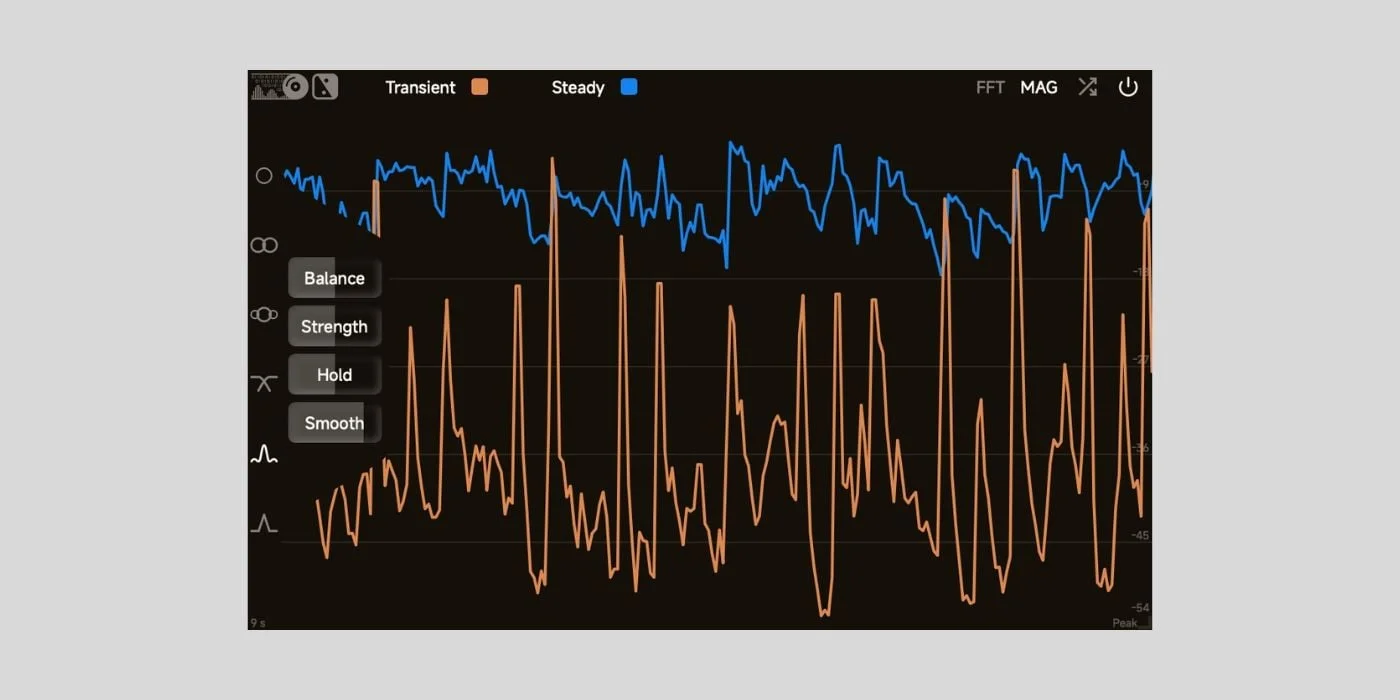
- Transient/Steady mode uses an FFT-based model with strength, balance, hold, and spectrum smoothness controls for shaping attack and sustain separately.
- Peak/Steady mode works more like dynamics detection, with attack, balance, hold, and smooth controls for separating louder peaks from steadier material.
- FFT and magnitude analyzer panels help users see how the split material behaves while building parallel chains.
- A one-button output swap makes it quick to audition which half of the signal should feed each downstream effects chain.
- Version 0.3.0 adds a wave display panel and expanded analyzer settings while keeping public installers available for Windows, macOS, and Linux.
Description
ZL Splitter is an open-source utility plugin for routing one audio signal into two complementary streams before recombining them later in the chain. It covers practical split modes for Left/Right, Mid/Side, Low/High, Transient/Steady, and Peak/Steady workflows, giving mix engineers a flexible way to process only the part of a sound that needs attention.
The official manual makes the plugin feel closer to a modular routing tool than a simple stereo utility. Low/High mode offers SVF and FIR structures with 12, 24, and 48 dB/oct slopes, while the transient and peak modes include dedicated controls for strength, balance, hold, attack, smoothness, and output swapping.
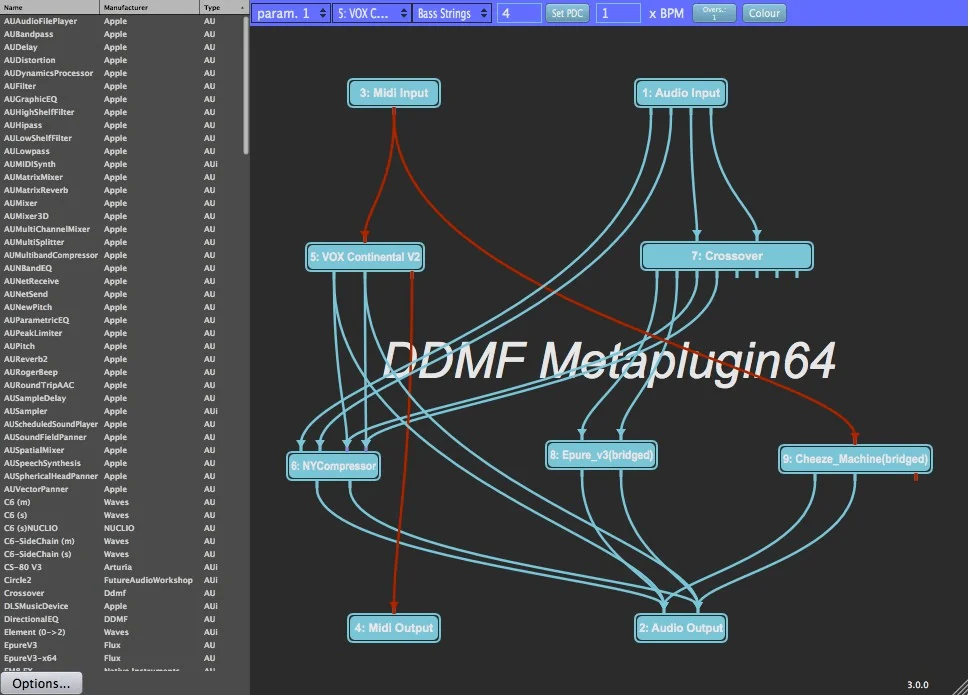
That makes ZL Splitter useful for parallel processing tasks that normally require a larger multiband host or several helper plugins. You can send lows to saturation, highs to width effects, isolate transient impact from sustained tone, or build mid/side chains without committing to a fixed processor.
BPB's hands-on notes highlight the same creative angle, especially for taming harsh percussion and processing sustained material while preserving attacks. Version 0.3.0 adds a wave display panel and expanded analyzer settings, and ZL Audio distributes the stable release as AGPLv3 software for Windows, macOS, and Linux through public GitHub installers.
Video Preview
Frequently Asked Questions
What does ZL Splitter actually split?
The official manual lists five modes: left/right, mid/side, low/high, transient/steady, and peak/steady. Each mode sends complementary parts of the input signal to Output 1 and Output 2 so they can be processed separately.
How is Transient/Steady different from Peak/Steady?
ZL Audio says Transient/Steady uses an FFT-based model, while Peak/Steady uses a compressor-like model. They also have separate parameter sets, so the transient mode is better for attack versus sustain separation and peak mode is closer to dynamics-based splitting.
When should FIR or SVF be used in Low/High mode?
The manual says SVF can significantly change phase, so users should avoid mixing its output directly with the original signal unless they understand the routing. FIR does not change phase, but it adds latency depending on the sample rate and filter slope.
Does ZL Splitter process the two paths by itself?
ZL Splitter is mainly the routing stage. The intended workflow is to split the signal, route each output to other effects, then combine the paths later in the DAW or host.


