
Sand
Key Features
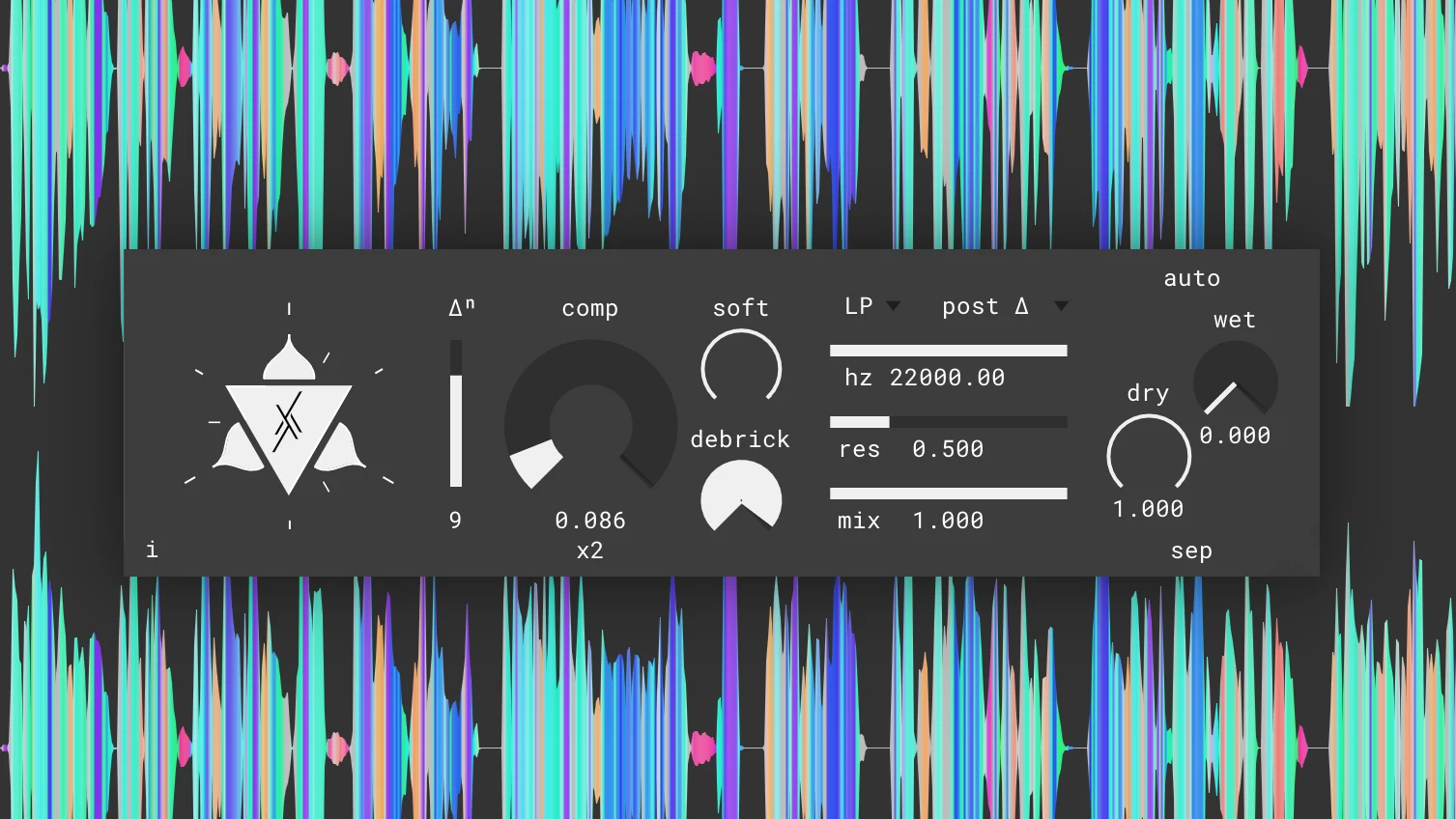
- Differential companding engine for extracting texture from signal movement rather than only level
- Compander amount control with selectable processing stages for subtle enhancement or heavier grit
- Derivative order control from -1 to 15, including a mode that processes the original signal at 0
- Soft control for moving between sharper grain and smoother saturation-style behavior
- Debrick control designed to recover from over-compressed or overly brittle settings
- Multi-mode filter with low-pass, band-pass, and high-pass modes plus adjustable signal-path position
- Resizable interface with combined dry/wet or separate dry and wet level control modes
Description
Sand is a differential compander effect for adding gritty movement, transient bite, and hidden detail to drums, bass, voice, field recordings, and other sound-design material. Instead of reacting only to the original waveform level, it can process the signal derivative, which makes the effect feel closer to a texture extractor than a conventional compressor or saturator.
The core workflow is intentionally direct: push the Compander amount, choose the number of stages, then adjust derivative order from integration-style behavior through aggressive high-order processing. The Soft and Debrick controls help smooth or stabilize rougher settings, while the filter section can be placed at different points in the signal path for low-pass, band-pass, or high-pass shaping.
Use Sand when a clean source needs rough edges, exaggerated microdetail, or unusual high-frequency emphasis without reaching for a full multi-effect rack. Subtle settings can restore air and presence, while extreme settings can turn kicks, basses, Foley, and vocal fragments into scratchy, overdriven, almost glitch-like material.
Video Preview

Frequently Asked Questions
What makes Sand different from a normal compressor or saturator?
Sand is built around differential companding, so it can react to changes in the signal rather than only the source waveform itself. That makes it useful for pulling out grit, transient detail, and high-frequency texture in ways that feel less predictable than standard saturation.
What kinds of sounds does Sand work best on?
The developer points to sound design, field recordings, kicks, bass, and voice as core uses. It is especially relevant when the goal is to reveal hidden detail, add roughness, or make a clean sound feel more tactile.
Why does Sand include a Debrick control?
Sand can reach extreme companding settings, and the Debrick control acts as a safeguard when the processing becomes overly dense or brittle. It gives users a way to push the effect hard without immediately losing control of the result.
Does Sand require any special installation steps on macOS?
The macOS build is unsigned, so users may see the usual unknown-developer warning. Hvoya Audio links to installation instructions from the product page for opening the plugin through macOS privacy and security settings.


